

Your mom or dad lives alone, maybe hundreds of miles away. You want to know they're okay, but without calling three times a day or making them feel watched. Here's how to find the right balance with an elderly parent living alone.
Start With a Real Conversation
Before putting anything in place, talk about it together. Ask what would reassure them, how often they'd like to hear from you, and what they don't want. A parent who is part of the decision is far more likely to embrace the solution.
Find the Right Check-In Rhythm
There's no perfect frequency. What matters is consistency:
- a short text every morning;
- a longer phone call once or twice a week;
- a visit or a video call on weekends.
This rhythm creates reference points: if a usual check-in doesn't happen, you'll notice sooner.
Signs to Watch For
Over time, some changes deserve your attention, without being cause for alarm:
- a more tired voice or unusual forgetfulness;
- an almost empty fridge or skipped meals;
- mail piling up;
- going out less, or less interest in seeing people;
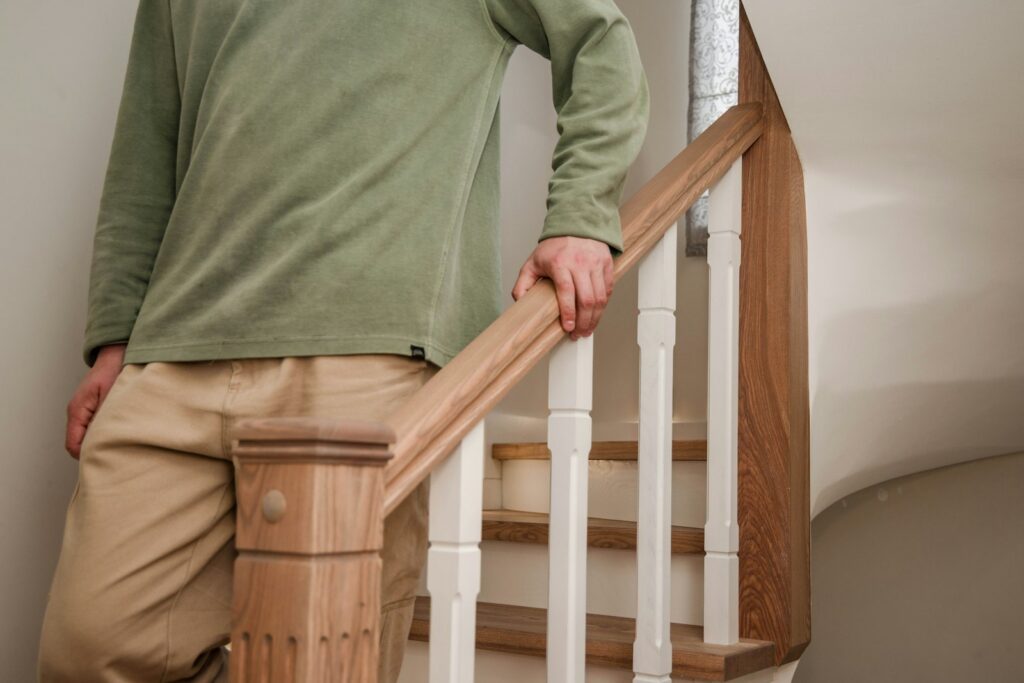
- new difficulty moving around the house.
If you're concerned, talk to their doctor, with their permission.
Build a Local Support Network
When you live far away, a neighbor, a friend nearby, or the building manager can make a huge difference. Exchange phone numbers and agree on who can stop by if needed.
Use Simple Tools
Technology can help, as long as it stays simple and respectful. Avoid intrusive setups (cameras, constant location tracking) that often make older adults feel controlled.
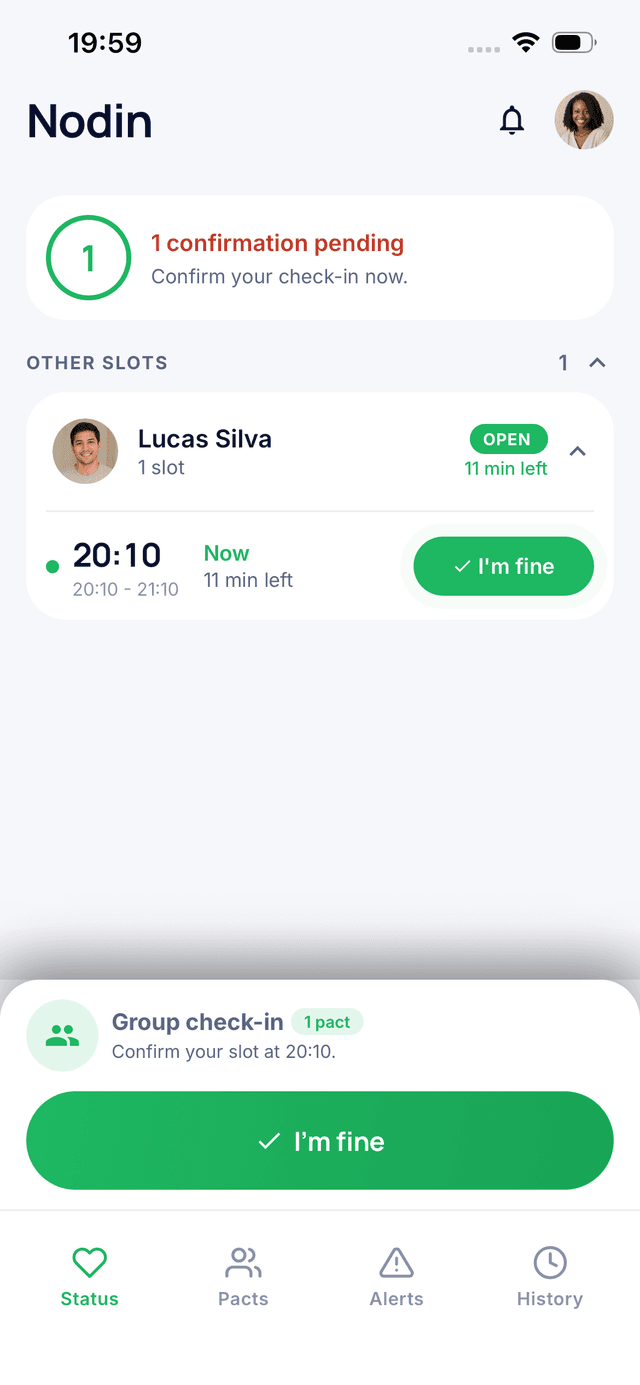
A daily check-in is a gentler alternative: each day, your parent confirms with one tap that they're okay. With Nodin, it goes both ways: they know you're okay too. And if the check-in doesn't arrive on time, you're notified and can call them or ask a neighbor to stop by.
“My son set it up for me, on the condition that it works both ways. Now I know he's okay too.” Reciprocity is often what makes a parent say yes.
Plan Ahead for Silence
Decide in advance what you'll do if your parent doesn't respond: call them, then the neighbor, then, if needed, emergency services (911). Having a plan keeps you from panicking the day it happens. Read also A Loved One Isn't Responding: What to Do Without Panicking.
Respect Their Independence
Your parent is still an adult who makes their own decisions. Your role isn't to control, but to be present. Small, regular gestures often matter more than big worries: why small gestures matter.
The Bottom Line
Talk openly, set a regular rhythm, rely on neighbors, and choose a simple, mutual tool. That's the best way to look out for an elderly parent who lives alone while respecting their independence.
Read next
Stay connected with the people who matter
Nodin is a free app that lets two trusted people share a simple sign of life every day. One tap to say you are okay, and if someone goes silent, the other is notified.